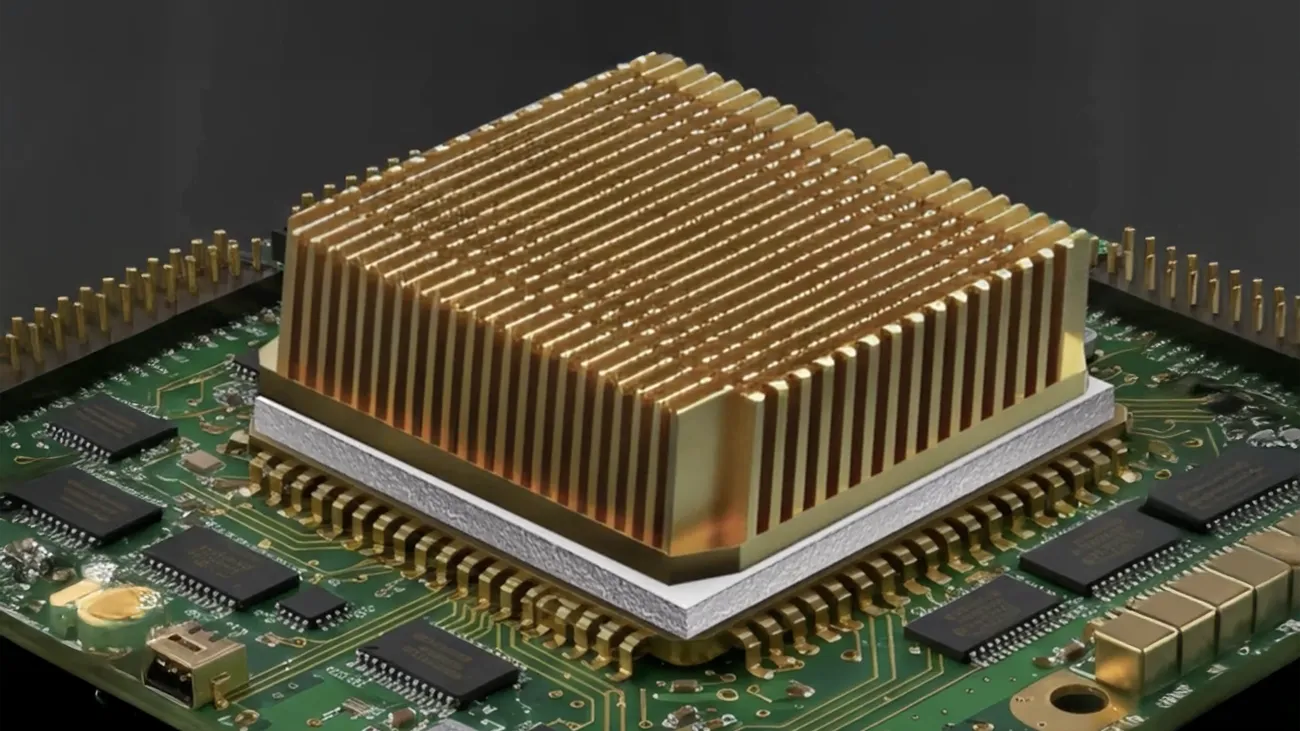
In high-density electronic system design, one of the most common mistakes is underestimating the mechanical stress that an overly rigid Thermal Gap Filler can exert on the printed circuit board (PCB). When components have varying heights – known as tolerance stack-up – the thermal interface material must be able to compensate for these differences without generating excessive pressure.
If the Deflection Force (the force required to compress the material) is too high, there is a risk of permanent structural damage:
- PCB Flexing:Excessive pressure can bow the board, leading to solder joint failure in BGA or SMD components.
- Component Breakage: Brittle or small-scale components can suffer from cracking under the heatsink’s load.
At Euro Technologies, we assist customers in analyzing the Force/Deflection curves of Laird materials. Solutions like the Tflex™ gap filler series are specifically engineered to offer minimal resistance to initial compression while ensuring perfect surface contact. This allows the material to “absorb” mechanical production tolerances, protecting circuit integrity and ensuring consistent, reliable heat transfer.
For more information or to receive dedicated technical support, please do not hesitate to contact the Euro Technologies team.