Home / Reference Markets / Automotive and Railway
EMI/RFI Shielding and Thermal Management for the Automotive and Railway Sectors
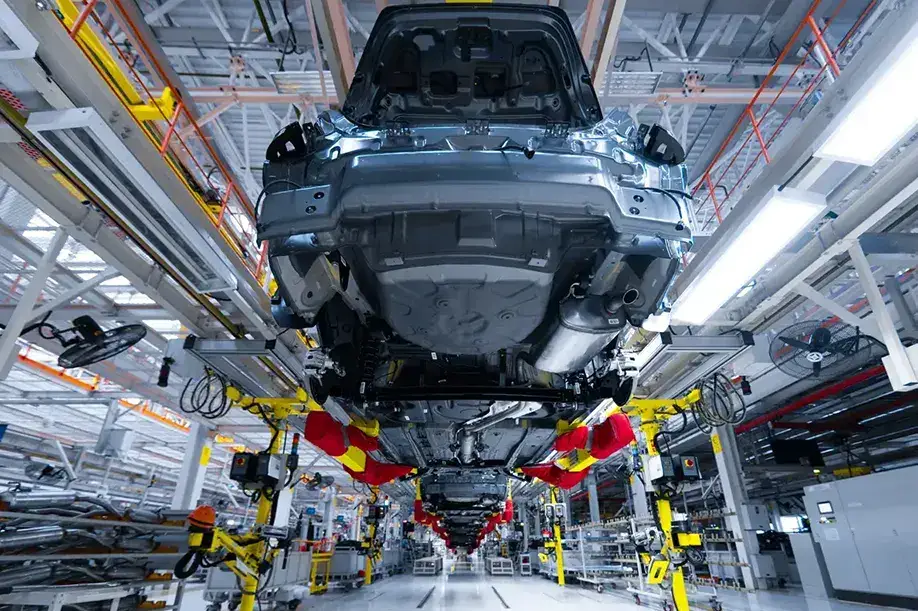
The automotive and railway industries are undergoing a profound technological transformation driven by traction electrification, autonomous driving development, and the digitalization of onboard control systems. Integrating high-frequency sensors, high-density power modules, and complex electronic control units (ECUs) requires higher standards of quality, reliability, and functional safety.
Euro Technologies, an official partner and distributor of Laird products (now part of Qnity Electronics), supports R&D and engineering departments in both sectors with a wide range of specialized materials. We provide custom solutions for electromagnetic interference (EMI/RFI) protection and thermal control, ensuring full compliance with industry standards (including IATF 16949 automotive specifications and EN 45545 railway fire safety standards).
Technical Challenges in Modern Transportation
Automotive Sector (Automotive & EV)
In modern and electric vehicles, Advanced Driver Assistance Systems (ADAS) and power management introduce critical electromagnetic and thermal challenges:
- ADAS Systems & High-Frequency Radar: Adaptive Cruise Control, Blind Spot Detection, parking assistance, and stop&go driving rely on radar sensors operating in the 24 GHz and 77-79 GHz bands. Suppressing internal cavity reflections and resonances that could compromise detection accuracy is essential.
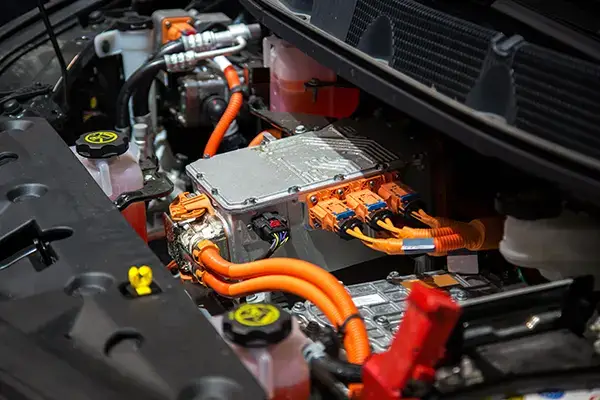
- Power Electronics in Electric Vehicles (EV/HEV): Inverters, On-Board Chargers (OBC), DC/DC converters, and Battery Management Systems (BMS) handle high currents, generating high thermal loads and high-frequency noise that demand effective heat dissipation and targeted shielding.
Railway Sector (Rolling Stock & Signaling)
Electronics for rolling stock and railway infrastructure require solutions that ensure operational continuity and durability under harsh operating conditions:
- Onboard Electronics & Signal Control: TCN communication systems, wayside/onboard signaling (ERTMS/ETCS), and traction converters must operate seamlessly amid extreme temperature swings, continuous vibration, and voltage spikes.
- Regulatory Compliance & Safety: Materials used in railway rolling stock must meet strict flame retardancy, low smoke emission, and toxicity requirements mandated by national and European standards.
Products and Technologies for Automotive and Railway
Euro Technologies converts and customizes advanced materials to customer drawings to meet assembly line installation requirements.
1. Microwave Absorbers for Automotive Radar (Laird Eccosorb™)
Radar sensors for blind spot detection and cruise control require absolute signal clarity. Eccosorb™ microwave absorbers attenuate high-frequency noise and cavity resonances in 77-79 GHz radar systems, preventing antenna desensitization and ensuring maximum accuracy in driver assistance systems.
2. Thermal Interface Materials (TIM) & Thermal Gap Fillers
For power module, ECU, and battery pack thermal management, we supply high-conductivity Gap Fillers in pre-formed pads and liquid two-part formulations for automated dispensing. Phase change materials complete our lineup to ensure minimal thermal resistance on inverters.
3. Form-in-Place Dispensed Gaskets (FIPG)
In miniaturized automotive sensors and aluminum or plastic housings, Form-in-Place (FIPG) technology enables robotic deposition of conductive and environmental gaskets directly onto part channels, reducing overall footprint and accelerating mass production.
4. Conductive Elastomers & Environmental Seals for Railway
Conductive elastomers deliver an ideal combination of electromagnetic shielding and airtight environmental sealing (IP67/IP68). Formulated to withstand weathering, oils, and vibrations, they are ideal for railway signaling and control enclosures.
5. Fingerstock Contact Springs & Board Level Shielding (BLS)
Beryllium-copper fingerstock contact springs and Board Level Shields (BLS) isolate individual transceiver modules and logic circuits, preventing mutual cross-talk in onboard communication systems.
Q&A: Frequently Asked Questions on Automotive and Railway Sectors
How do you ensure the accuracy of radar sensors (77-79 GHz) in autonomous driving and ADAS systems?
In radar sensors used for cruise control and blind spot detection, internal electromagnetic resonances and radome reflections can cause false readings. Integrating high-performance microwave absorbers (such as the Laird Eccosorb™ series) suppresses high-frequency noise and surface currents, ensuring undistorted signal radiation.
Which thermal management solutions are best suited for power electronics and ECUs in electric vehicles (EV)?
In electric vehicles, components like inverters, on-board chargers (OBC), and battery management modules generate concentrated heat. Using highly conformable thermal Gap Fillers and phase change materials fills air gaps between electronic components and heatsinks, lowering thermal resistance while preventing mechanical stress from thermal expansion.
What requirements must shielding and sealing products meet for railway onboard electronics?
Railway onboard electronics and signal control systems must withstand continuous mechanical stress, vibration, thermal shocks, and weathering. Therefore, conductive elastomers and sealing elements providing IP67/IP68 ingress protection combined with high EMI shielding are used, formulated with compounds compliant with industry fire and smoke standards (such as EN 45545).